About the Arboretum
A living landscape for restoration, learning & connection
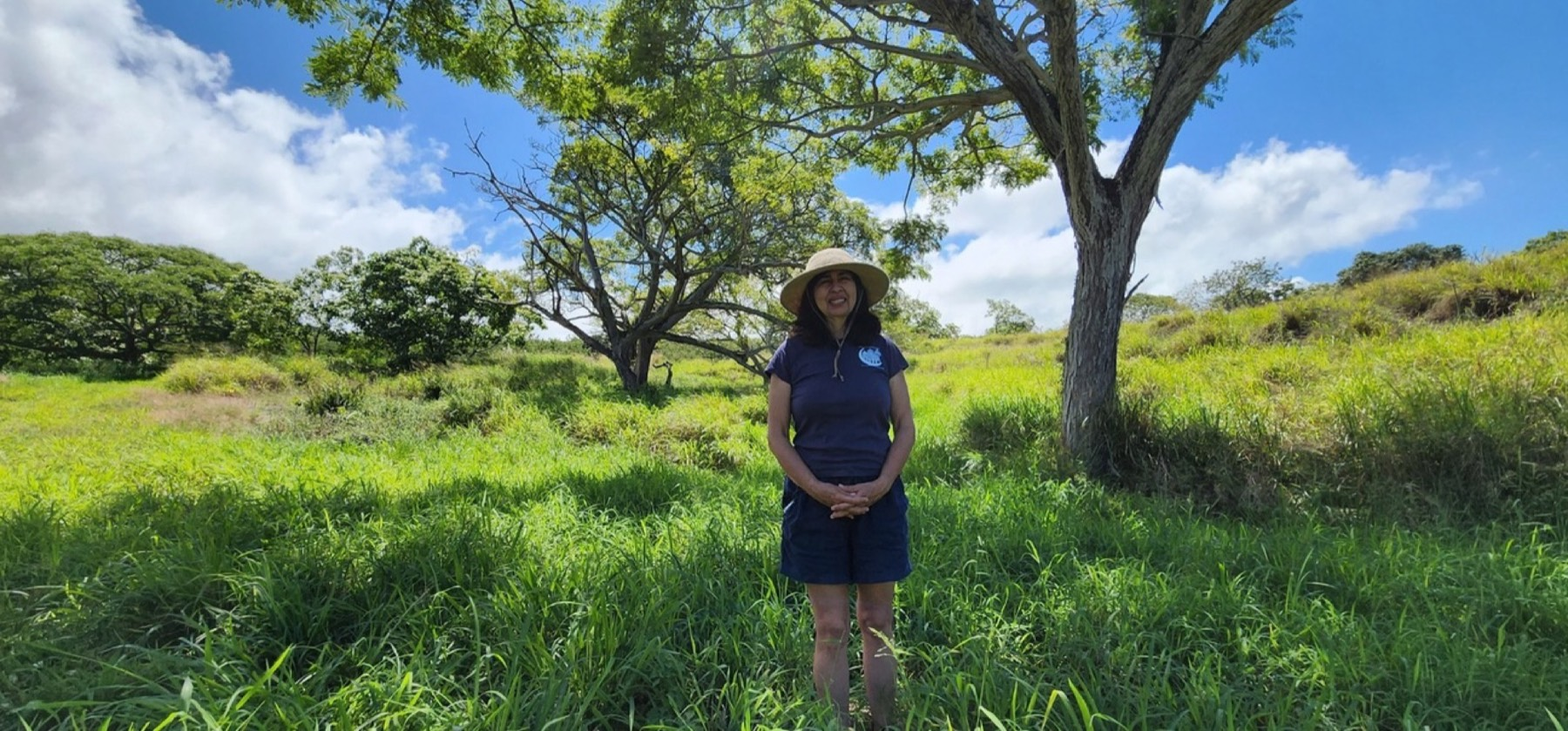
The Joseph Rock Arboretum is a 48-acre botanical garden and active restoration landscape in Kona, Hawaiʻi, dedicated to restoring native Hawaiian dry forest, conserving plant diversity, and cultivating a deeper connection with the natural world. The landscape is characterized by three dominant native trees, wiliwili, lama, and ʻālaheʻe, which are central to the identity and ecological character of this forest.
Established in 2020, the Arboretum is a place where conservation comes to life. Through ecological restoration, seed conservation, environmental education, and community experiences, we demonstrate what it takes to restore a threatened ecosystem and steward it for future generations.
Our Mission
The mission of the Joseph Rock Arboretum is to collect, propagate and preserve flora of Hawaii, and around the world. We are committed to protecting and preserving the most rare species of the Hawaiian dry forest.
We are committed to teaching people how to care for natural environments through hands on seed collection, seed banking, propagation and field work.
Our Vision
To provide the next generation with a healthy Hawaiian dry forest and abundant seed resources for future restoration.
To support new forest creators as future care takers of the planet.
Our Story
The Inspiration Behind Our Work
Joseph Rock Arboretum is a nonprofit botanical garden located five minutes north of Kailua-Kona, in the heart of Hawaiʻi Island’s native dry forest landscape. Located at 650 ft. elevation, it is in the traditional land ahupuaʻa of Honokohauiki. Founded in 2020 by forester and restoration specialist Jill Wagner, the Arboretum encompasses 48 acres dedicated to ecological restoration, plant conservation, environmental education, and community connection.
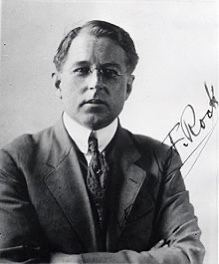
Our work is inspired by Joseph Rock (1884–1962), an influential early botanist in Hawaiʻi whose 1913 publication, The Indigenous Trees of the Hawaiian Islands, documented Hawaiʻi’s native trees and the ecosystems in which they naturally thrive. The Arboretum carries his name in recognition of his contributions to Hawaiian botany and his enduring legacy of documenting the islands’ natural heritage.
His work reflects a perspective that continues to guide our philosophy: plants do not exist in isolation. Their survival depends on the interconnected relationships between species, soil, climate, and habitat. Today, we carry this thinking forward by restoring not simply individual plants, but the living communities and ecological relationships that allow native Hawaiian forests to thrive.
Our Approach
A Different Kind of Botanical Garden
Joseph Rock Arboretum is pioneering a conservation-led approach to botanical garden design, where the landscape itself becomes a living model for ecological restoration.
Rather than simply displaying plant collections, we work within the natural ecosystem to restore native plant communities, conserve rare species, and demonstrate how threatened habitats can be protected and renewed.
Our 48-acre landscape brings together botanical collections, active restoration, conservation research, and education, creating a place where the beauty of a botanical garden and the work of ecosystem restoration are deeply connected.
A Living Landscape for Discovery & Impact
The Arboretum brings conservation, education, and community together across a 48-acre landscape.
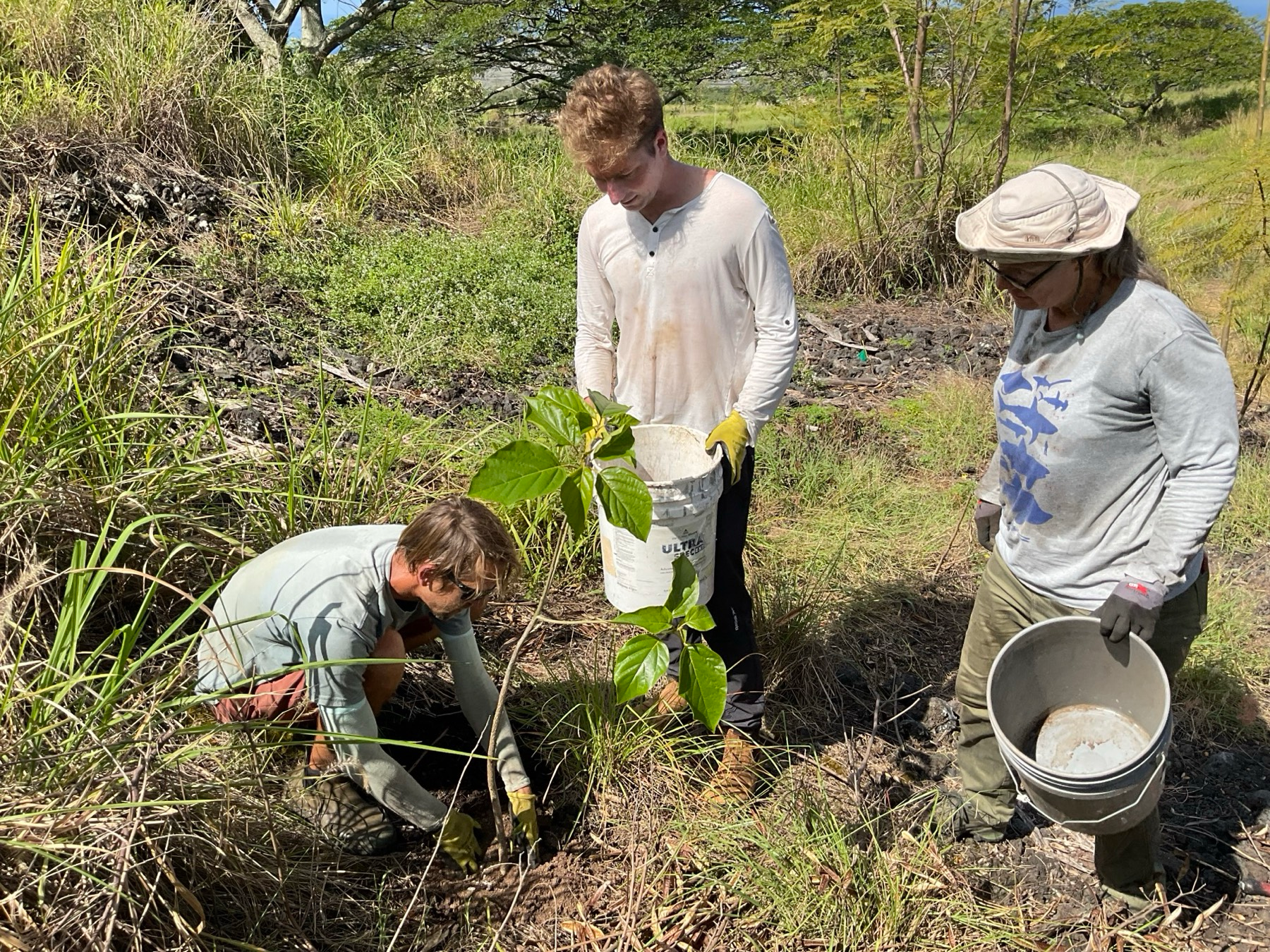
Through the Future Forests native plant nursery, Hawaiʻi Island Seed Bank, restoration initiatives, and hands-on educational experiences, we are growing the resources and knowledge needed to support the future of Hawaiʻi’s forests.
Visitors, students, educators, and restoration practitioners have opportunities to experience this work firsthand, connecting with the land and discovering the relationships that sustain healthy ecosystems.
Growing a Dry Forest. Restoring an Ecosystem.
Six years of restoration, one step at a time.
- Year 1
Clearing the land
Non-native species cleared. The nursery is set up.
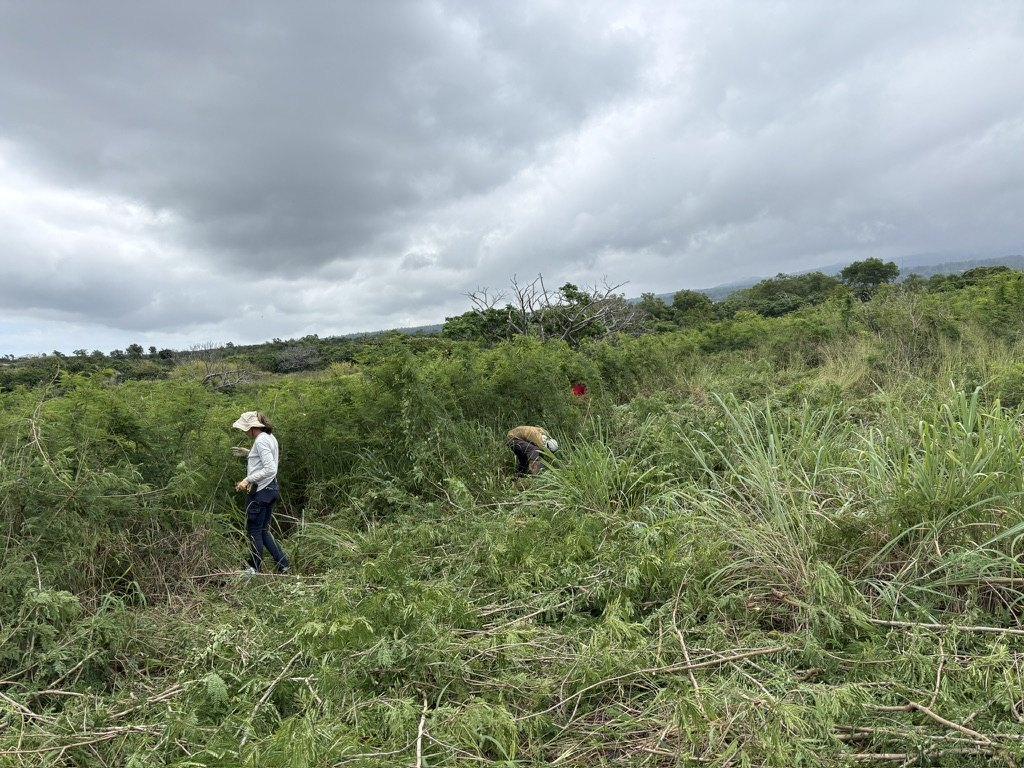
Clearing haole koa (invasive species) 
The nursery - Year 2
Defining the space
First plantings in the dry forest zone. The agroforestry zone and seed bank are set up.
- Dry forest zoneFirst plantings
- Agroforestry zoneSet up
- Seed bankSet up
- Year 3
Planting and care
Planting, maintenance, and clearing new areas as the dry forest zone grows in.
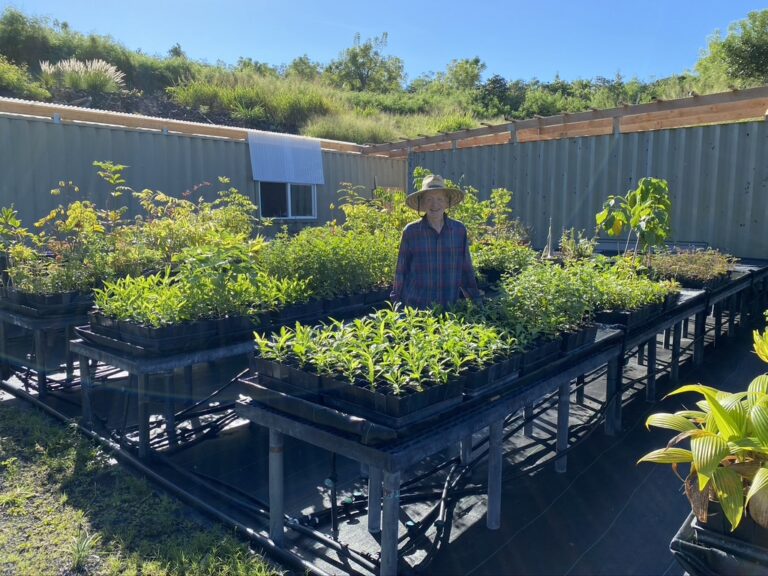
Native plants in the nursery - Year 4
The zones take shape
Dry forest, timber and desert zones take shape. The Sacred Tree Grove is established.
- Dry forest
- Timber zone
- Desert zone
- Sacred Tree Grove
- Year 5
Welcoming visitors
Thirteen benches are donated and botanical signs go up. Education and experiences begin.
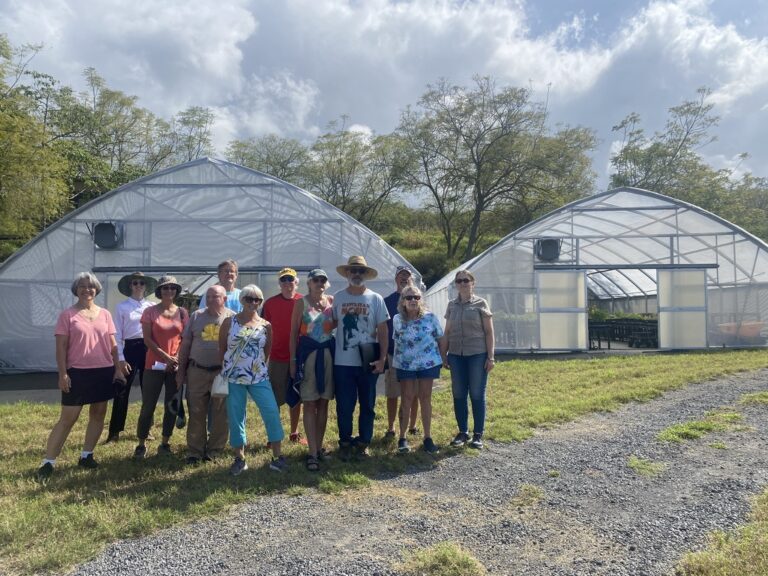
At the greenhouses 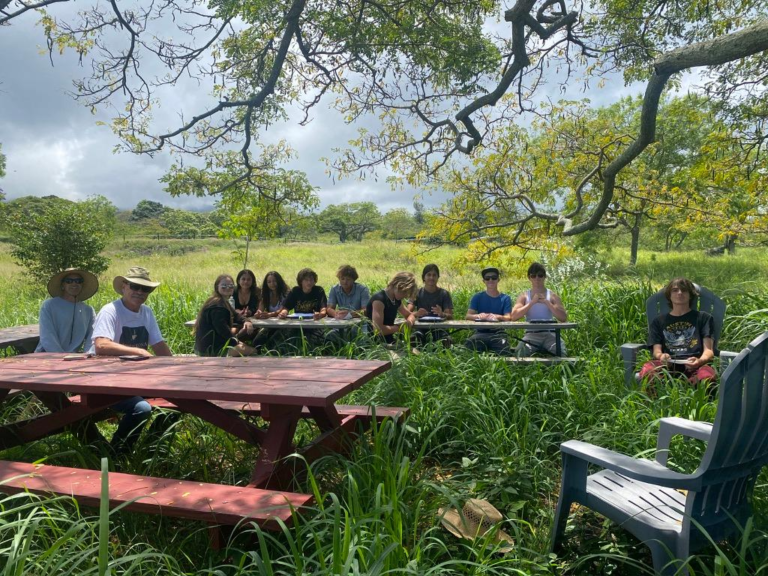
Outdoor learning - Year 6
Building for the future
The gift shop, “The Dollhouse,” is built. The pavilion is started.
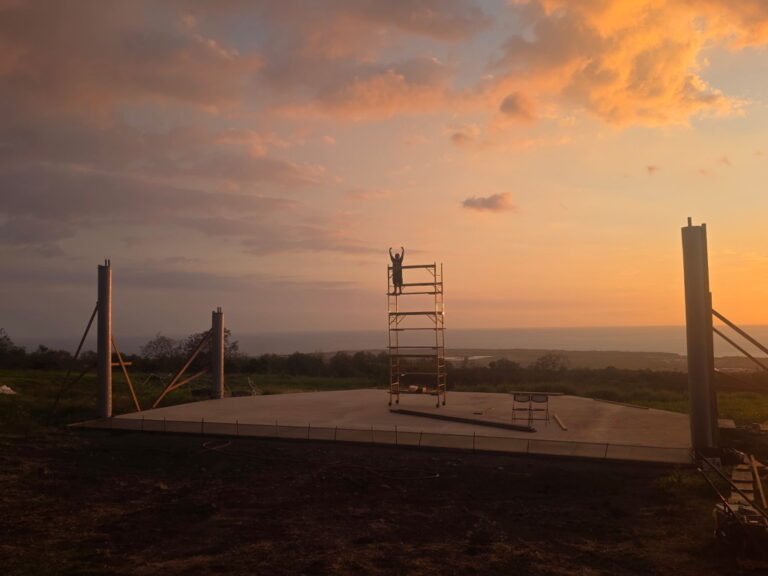
Pavilion foundation 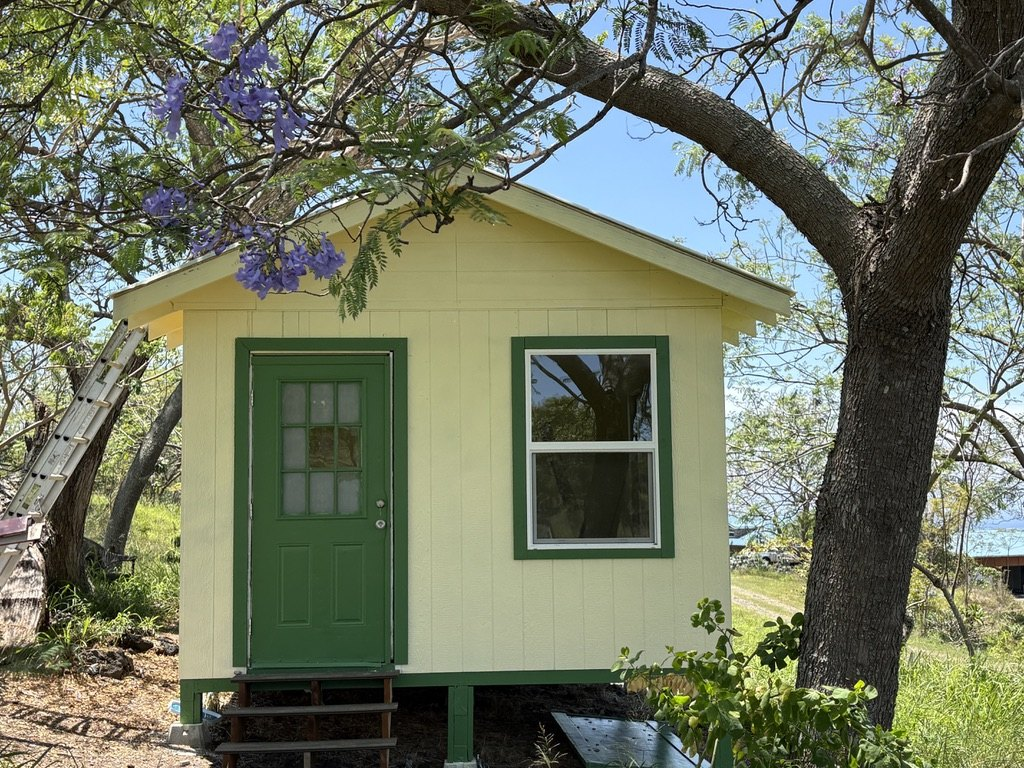
Dollhouse Welcome Center & Gift Shop
- 48acres
- 18acres restored
- 6,000native plants planted
- 500people in programs, tours and learning experiences
Our People
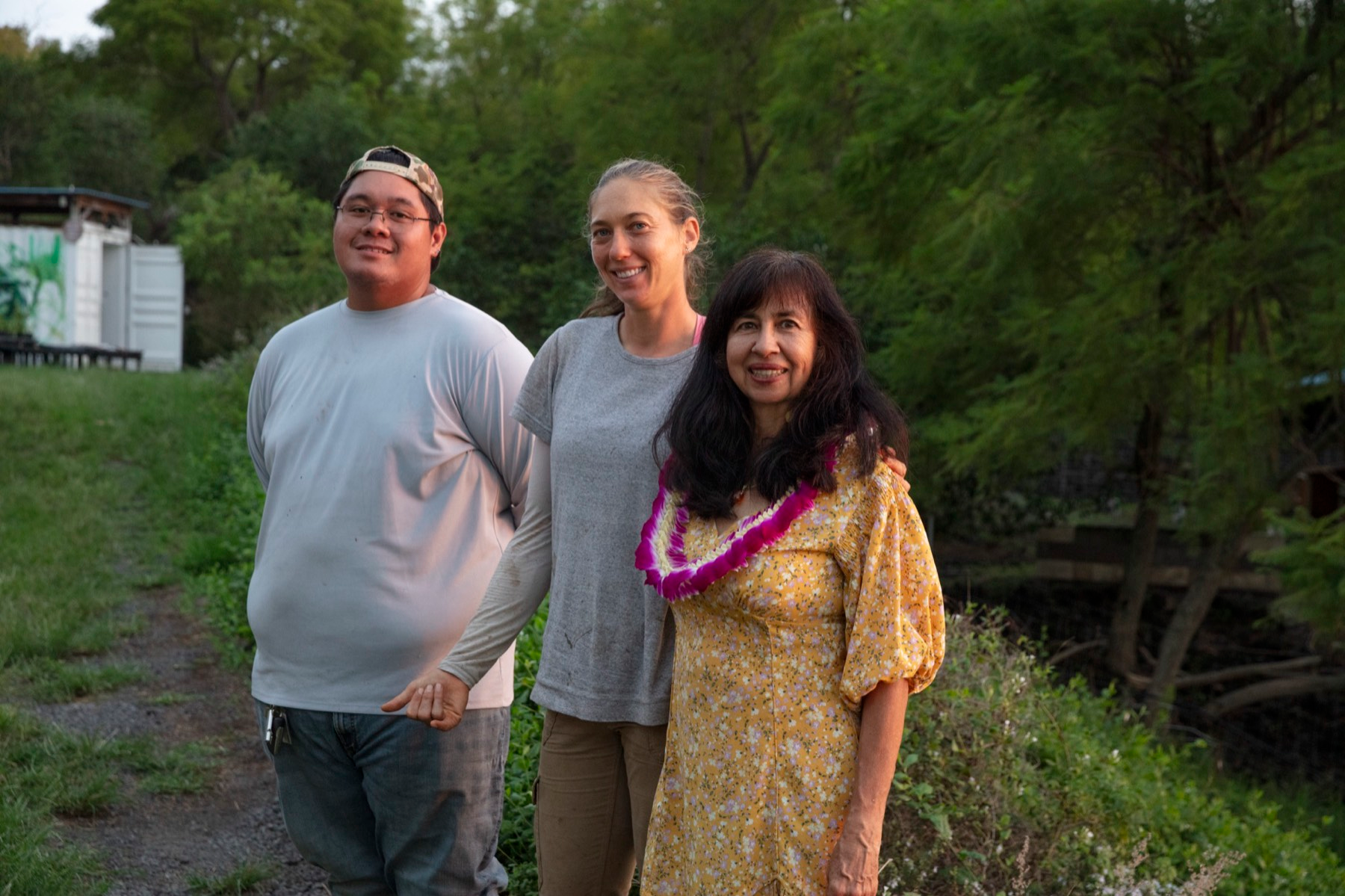
The People Behind the Work
Behind the Arboretum is a dedicated community of conservationists, educators, collaborators, and supporters working together to restore Hawaiʻi’s native dry forests and inspire the next generation of environmental stewards.
Founded by forester and restoration specialist Jill Wagner, the Arboretum brings together people committed to botanical conservation, ecological restoration, and the future of Hawaiʻi’s natural landscapes.