Ecosystem Restoration & Conservation
Restoring Hawaiʻi’s Native Dry Forest
The Joseph Rock Arboretum is developing a conservation-led botanical garden model centered on the restoration of native Hawaiian dry forest, one of the world’s most threatened ecosystems and one of Hawaiʻi’s richest in plant diversity.
Across our 48-acre landscape in Kona, we are transforming areas once dominated by invasive haole koa into increasingly diverse, native-dominated habitats. Our work brings together land management, seed conservation, native plant propagation, field restoration, and long-term stewardship. Since 2020, we’ve cleared over 18 acres and planted 6,000 native plants. See our Restoration Timeline >
Our approach follows an ongoing restoration cycle: collecting and preserving seeds, growing native plants, reestablishing them in the landscape, and caring for the recovering forest.
Our Restoration Vision
To restore this landscape as a living model for Hawaiian dry forest conservation and a source of native plants, seeds, and knowledge for future restoration throughout Hawaiʻi.
Why Hawaiian Dry Forest Restoration Matters
Hawaiian dry forest is one of the world’s most threatened ecosystems, with only about 10% of its original extent remaining. These forests support extraordinary plant diversity, including rare and endemic species found nowhere else on Earth.
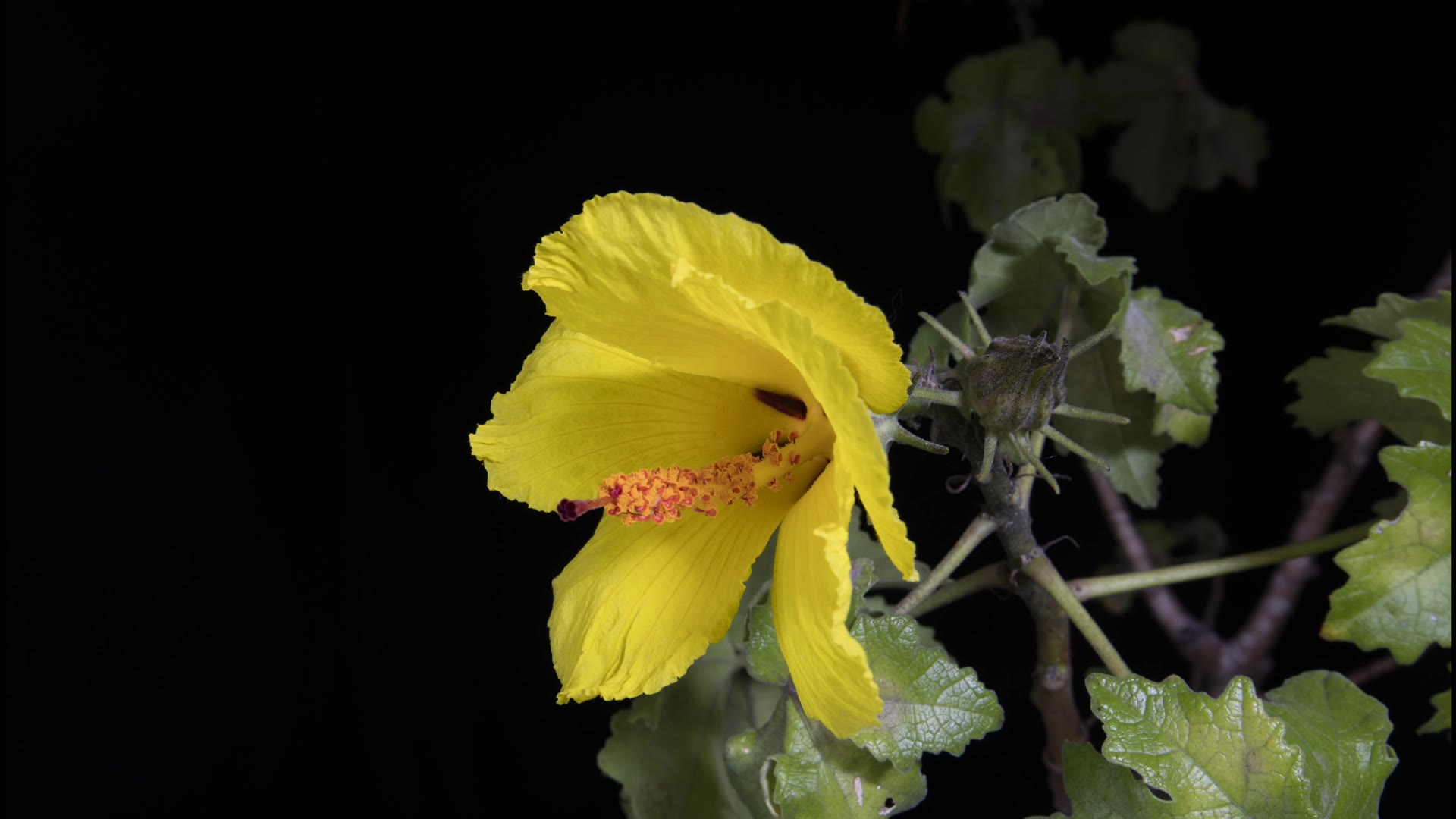
At Joseph Rock Arboretum, remnants of this ecosystem survive within a landscape heavily impacted by invasive vegetation. The landscape is characterized by three dominant native trees, wiliwili, lama, and ʻālaheʻe, which are central to the identity and ecological character of this forest. Protecting these remaining species and rebuilding their surrounding habitat is essential to conserving biodiversity, supporting native wildlife, and preserving the resources needed for future restoration.
The work we do today helps determine what will be able to grow, thrive, and be restored tomorrow.
Our Restoration Cycle
A Living Model for Ecosystem Restoration
Restoration is not a single activity. It is an ongoing cycle of preparation, propagation, planting, and care. At Joseph Rock Arboretum, each step builds on the last, creating a process that supports the long-term recovery of native forest.
01
Land Preparation & Invasive Species Management
Making space for native forest to return.
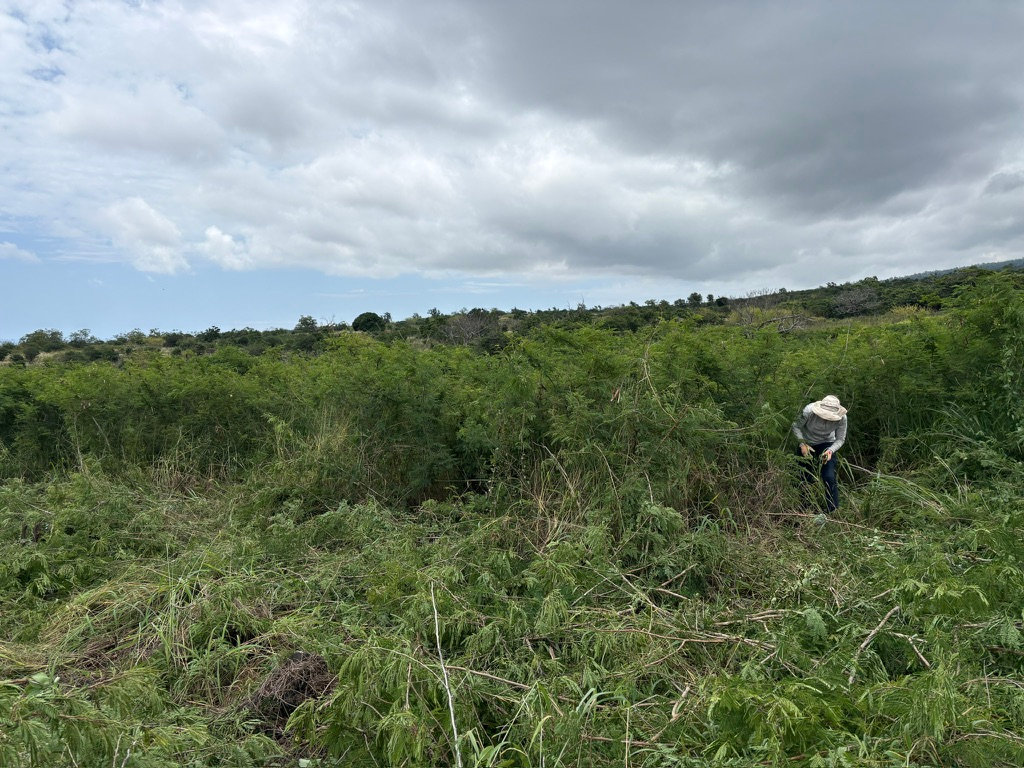
We remove invasive vegetation, particularly haole koa, which has dominated much of the landscape and suppressed native plant communities. Because invasive plants continue to regenerate from persistent roots and an extensive soil seed bank, cleared areas require repeated management to prevent regrowth and create conditions for native species to establish.
02
Seed Collection & Conservation
Preserving the seeds of Hawaiʻi’s native plants.
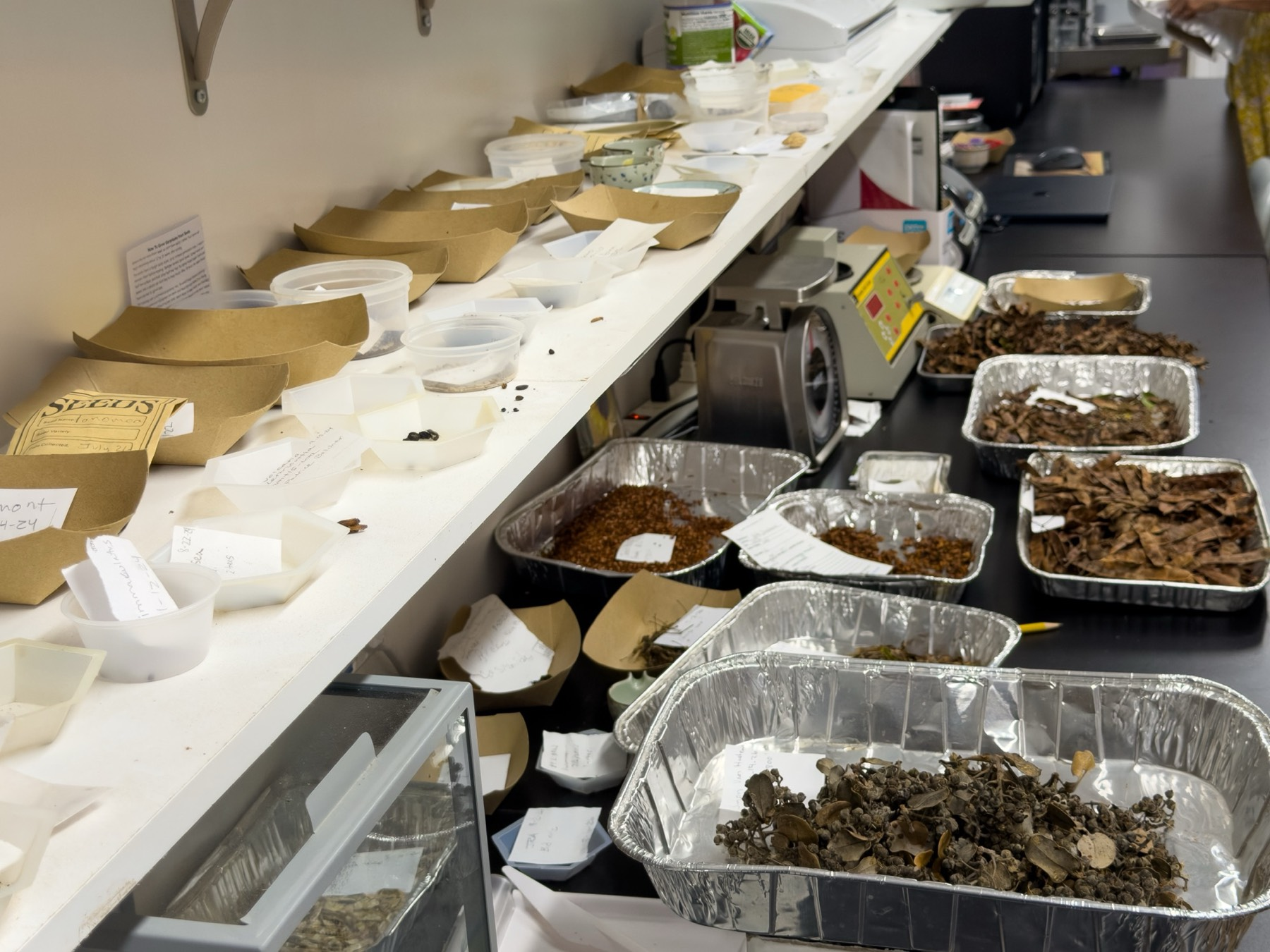
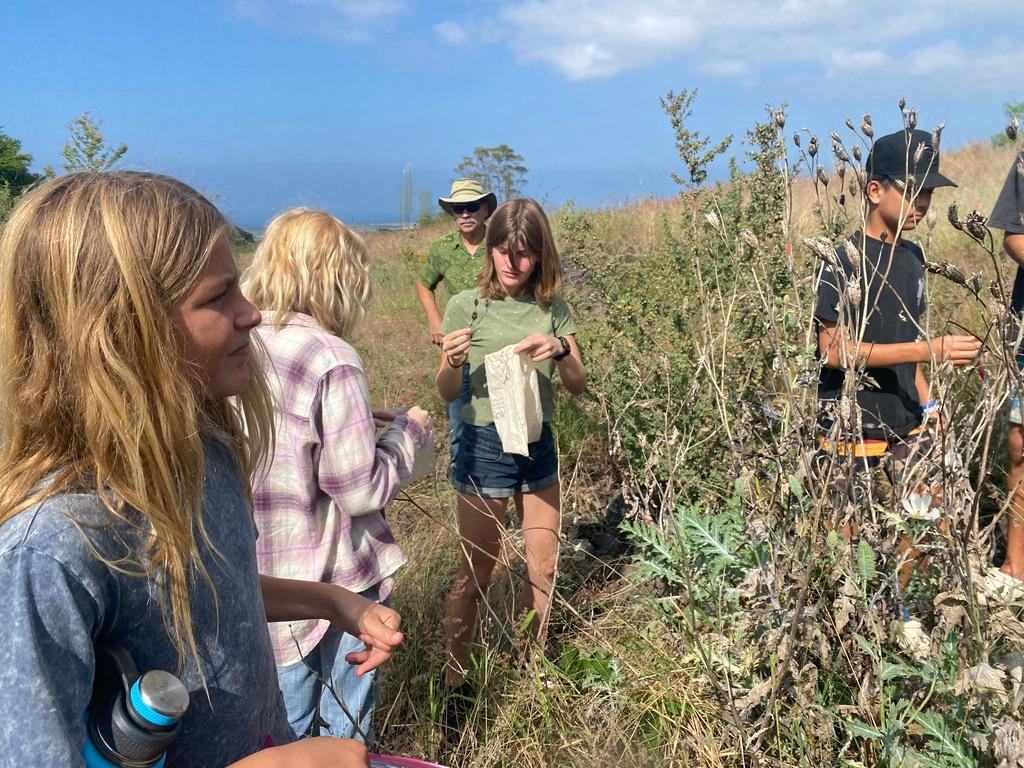
We collect seeds from native plants in the landscape, then clean, process, and preserve them for future propagation and conservation. Through our partnership with the Hawaiʻi Island Seed Bank, we also contribute to seed conservation and provide resources and technical support for restoration partners.
03
Nursery Propagation
Growing the next generation of native plants.
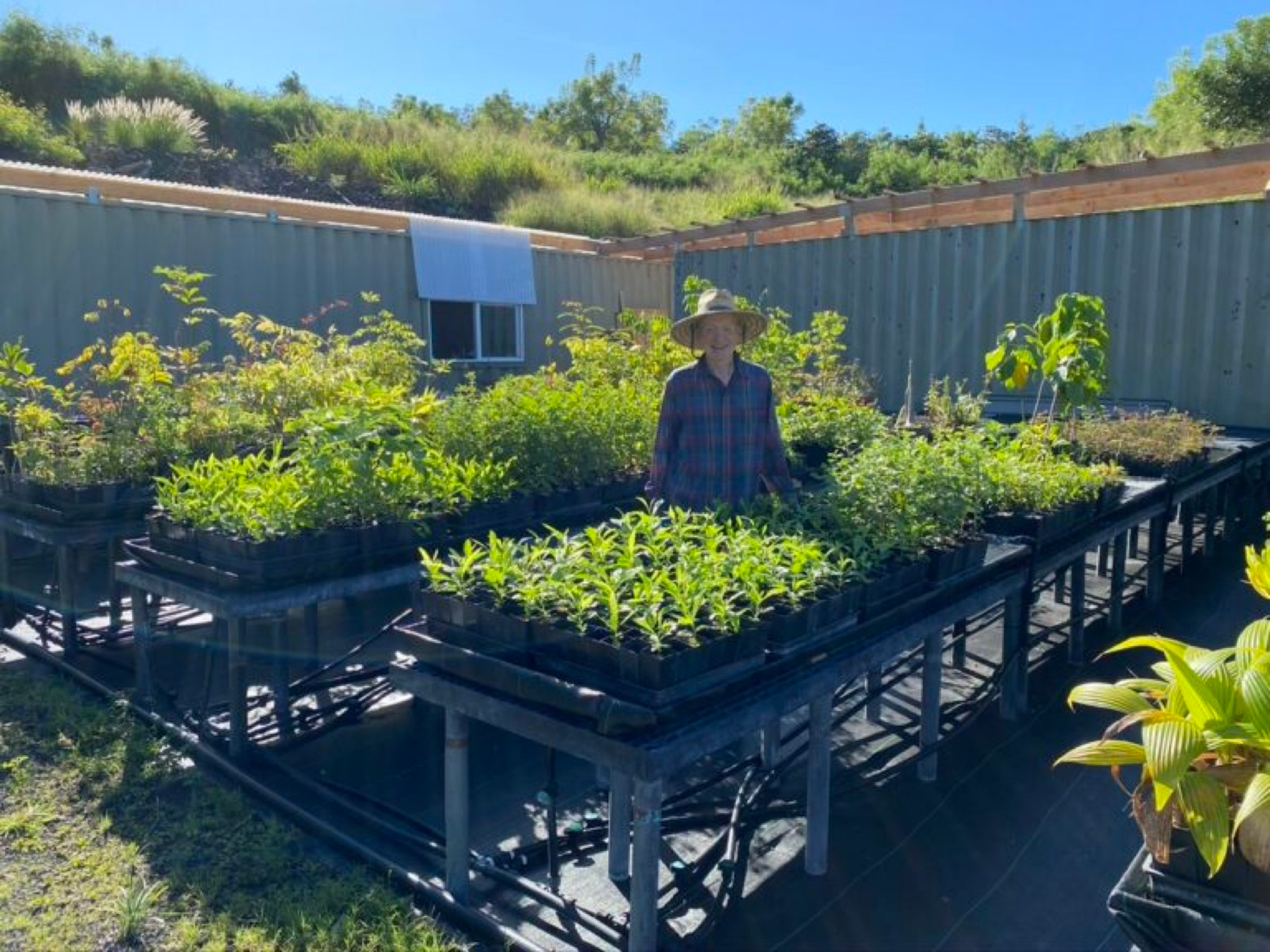
In the Future Forests native plant nursery, we propagate native Hawaiian species from collected seeds and plant material on site. These plants support restoration at the Arboretum and provide resources for landowners and restoration partners working to rebuild native habitats across Hawaiʻi Island.
04
Field Planting & Establishment
Rebuilding native plant communities.
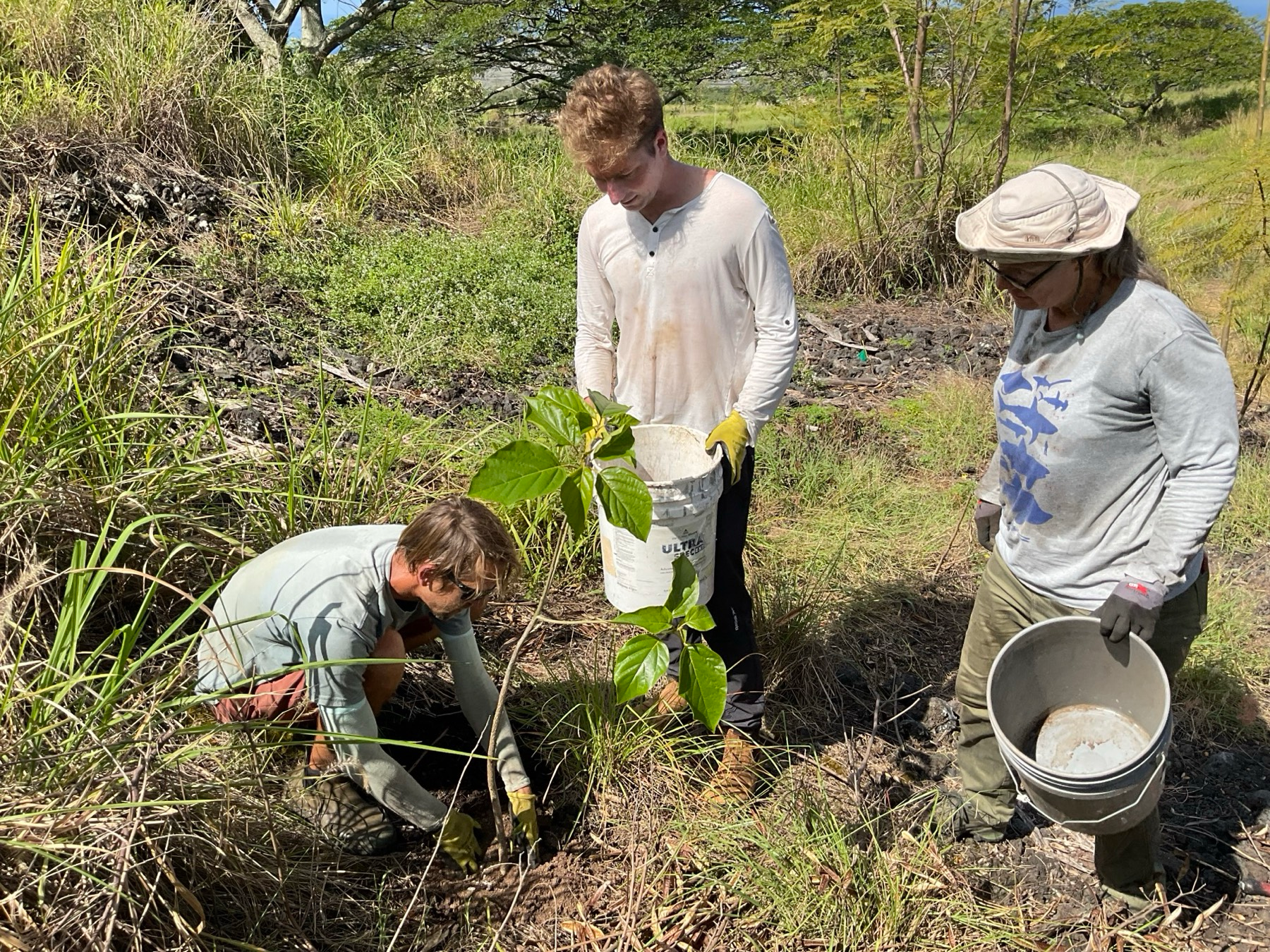
We introduce propagated native plants into prepared restoration areas, selecting species appropriate to the landscape and its ecological conditions. Planting helps rebuild native plant diversity, restore habitat, and establish the next generation of forest.
05
Maintenance & Monitoring
Caring for the forest as it recovers.
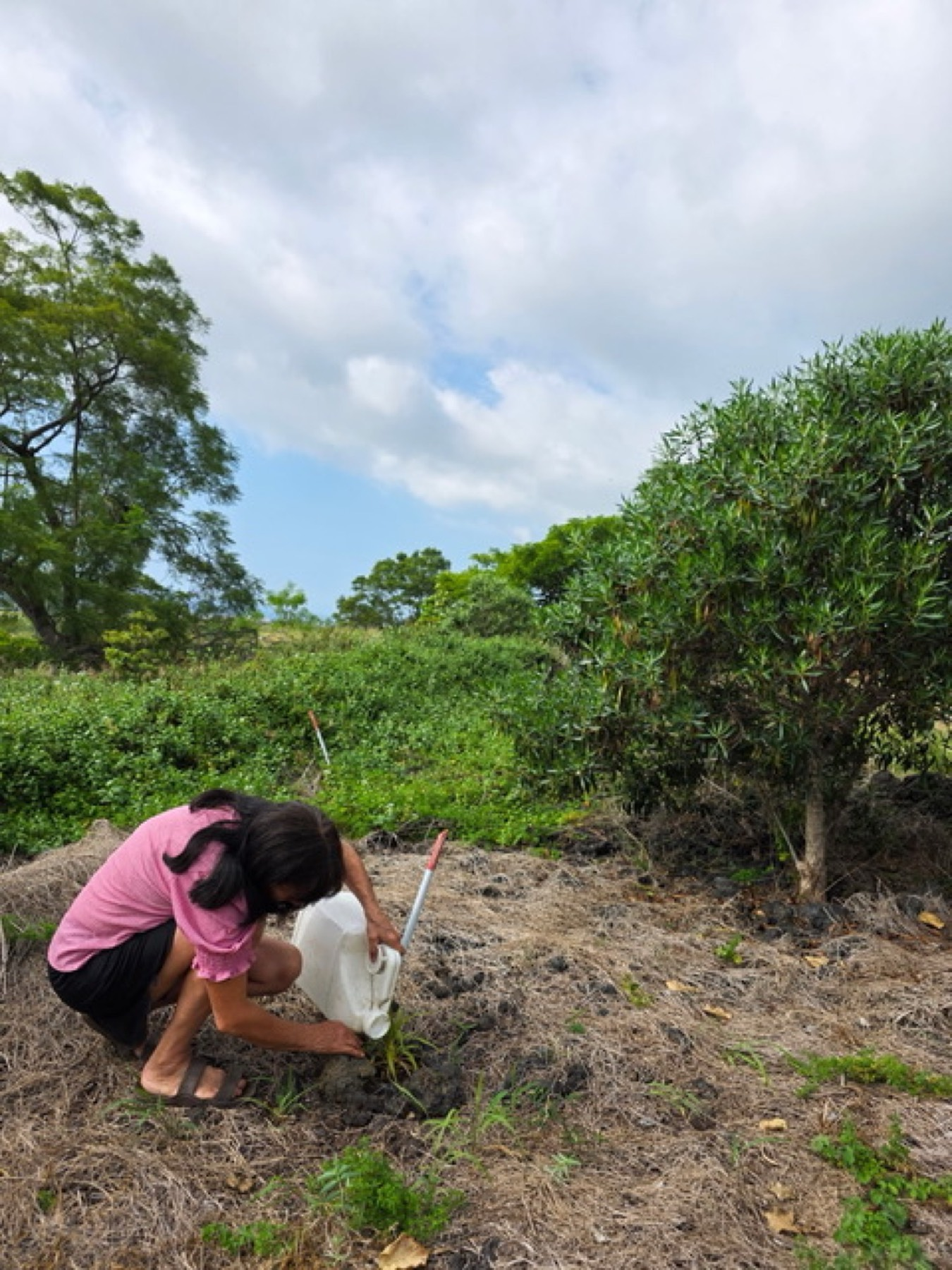
Restoration continues long after planting. We maintain restored areas, manage invasive regrowth, monitor plant establishment, and care for developing native communities. As plants mature and produce seeds, they contribute to the next cycle of collection, propagation, and renewal.
The restoration cycle is ongoing. Each stage supports the next, building a healthier and more resilient native forest over time.
Beyond Restoration: Conservation & Partnerships
Conservation Partnerships
We collaborate with conservation partners and government agencies on projects that protect rare plant species, including our rare palm tree project with the U.S. Fish and Wildlife Service at the Arboretum.
Help Restore the Forest
Restoring native Hawaiian dry forest takes ongoing care, skilled fieldwork, native plants, conservation resources, and time.
Your support helps sustain the work of invasive species management, seed conservation, nursery propagation, habitat restoration, and long-term stewardship at the Arboretum.
Together, we can restore a threatened ecosystem and help ensure that its native plants, seeds, and ecological knowledge remain available for future generations.